

Latest Tweets
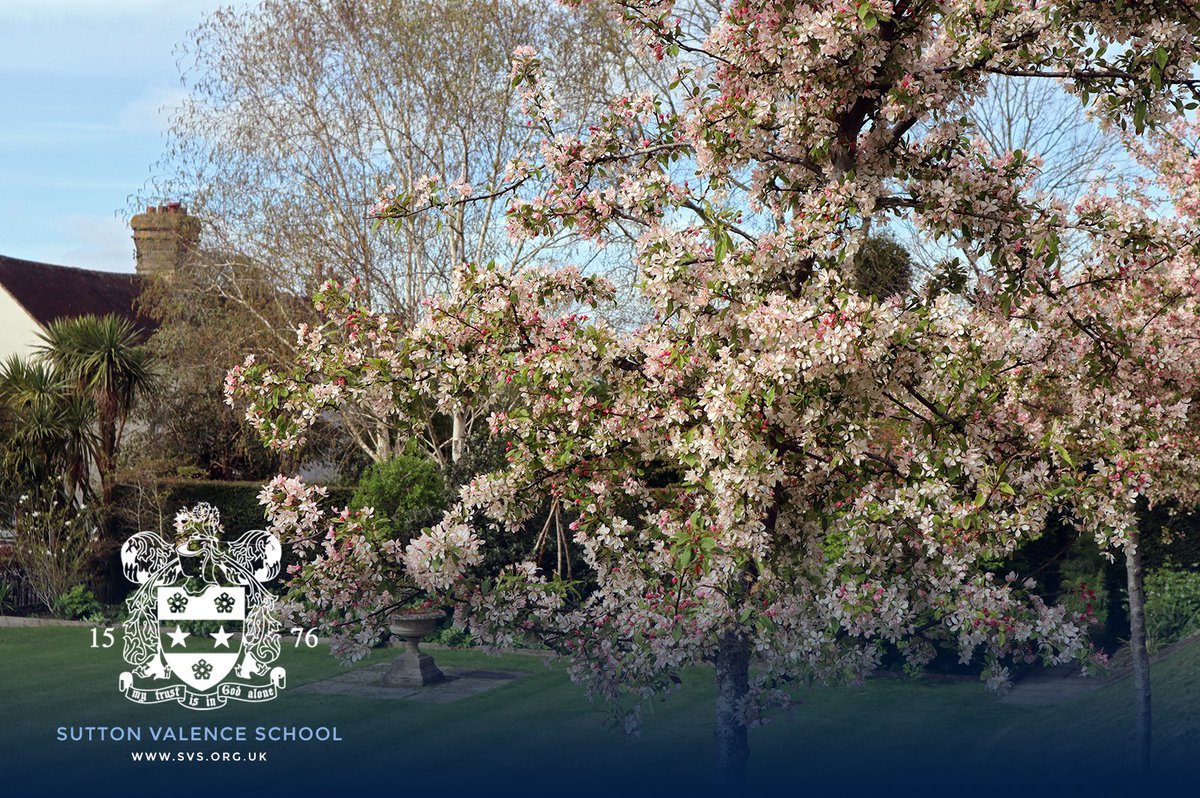
The grounds are springing back to life as we prepare to welcome students for the start of the Summer Term next week - even if blue skies are currently fleeting! 🌱🌷🪻 https://t.co/nPSU6LIJqC
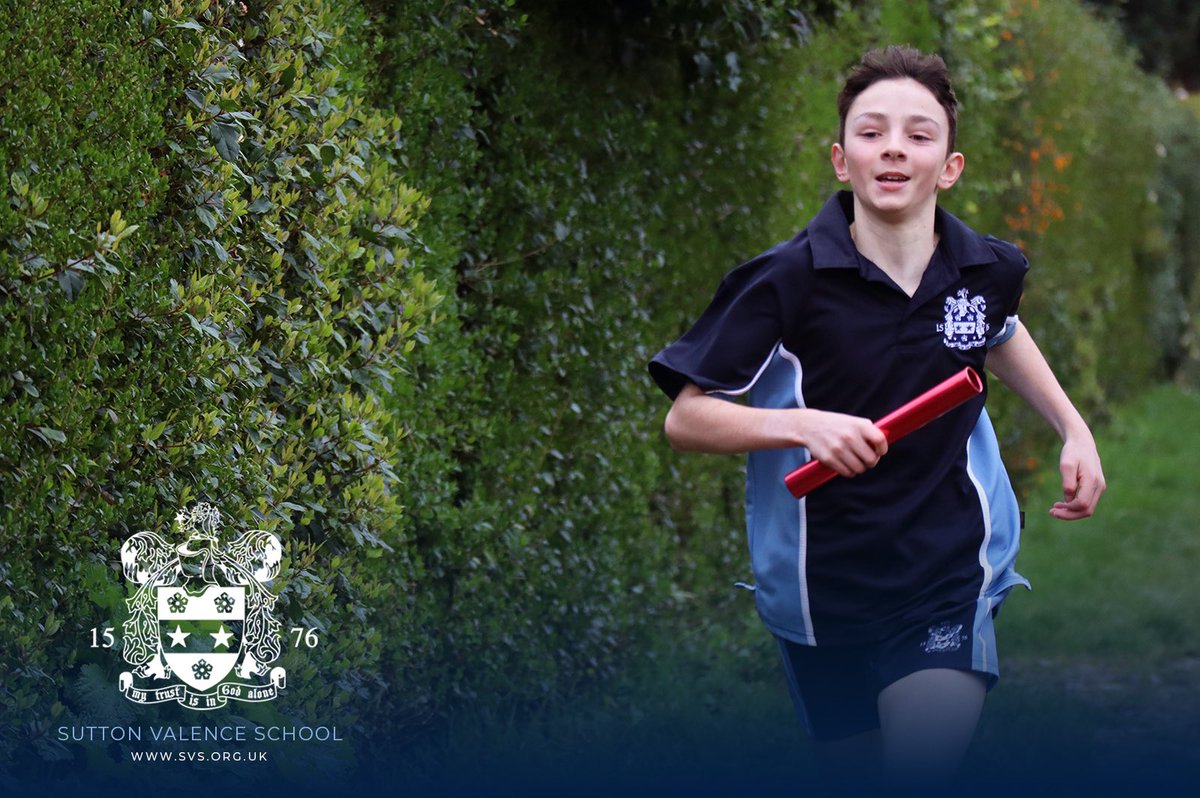
An annual end of term tradition, this year’s whole School Baton Race was won by Holdgate for Seniors, Founder’s for Inters and Lambe’s for the Juniors. In time honoured fashion, winning Houses were presented with their trophies by the youngest members of the SVS community. 🏃🏽♀️ https://t.co/5Ag0X9o3FF

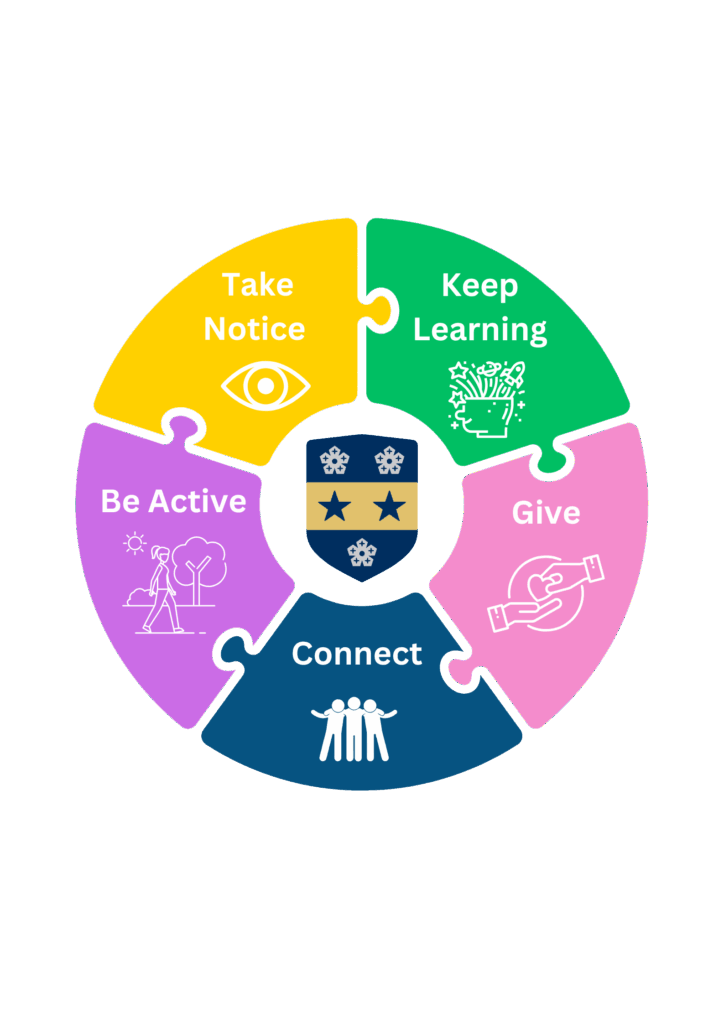
As we come to the end of our Wellbeing lessons for this academic year, we have been reflecting on the topics we have explored and gathering feedback from pupils about their experiences. It has been valuable to hear what they have enjoyed, what they would like to see more of, and what they feel could be adapted for next year.
Some of the key themes from their feedback were that pupils have particularly enjoyed discussions and scenarios that feel relevant to their lives. They would welcome more opportunities to ask questions anonymously and have these explored during lessons, and they would like fewer written activities. We will continue to use this feedback to help shape and develop our Wellbeing programme. I also wanted to share the upcoming topics that will be covered by each year group when we return after the Summer holiday.
First Form – Transition to secondary school and personal safety in and outside school, including first aid
• How to identify, express and manage their emotions in a constructive way.
• How to manage the challenges of moving to a new school.
• How to establish and manage friendships.
• How to improve study skills / addressing academic worries.
• How to identify personal strengths and areas for development.
• Personal safety strategies and travel safety, e.g. road, rail and water.
• How to respond in an emergency situation.
• Know the protocol for seeing the nurses.
• Basic first aid.
Second Form – Mental health and emotional wellbeing, including body image and coping strategies
• Recap healthy and unhealthy friendships, navigating conflict and interactions online.
• About attitudes towards mental health.
• How to challenge myths and stigma.
• About daily wellbeing.
• How to manage emotions.
• How to develop digital resilience.
• About unhealthy coping strategies (e.g. self-harm and understanding and responding to unhealthy eating behaviours).
Third Form – Setting goals. Learning strengths, career options and goal setting as part of the GCSE options process
• About transferable skills, abilities and interests.
• How to demonstrate strengths.
• About different types of employment and career pathways.
• How to manage feelings relating to future employment.
• How to work towards aspirations and set meaningful, realistic goals for the future.
• About GCSE and post-16 options.
• Skills for decision making.
Fourth Form – Exploring influence. The influence and impact of drugs, gangs, role models and the media
• About positive and negative role models.
• How to evaluate the influence of role models and become a positive role model for peers.
• About the media’s impact on perceptions of gang culture.
• About the impact of drugs and alcohol on individuals, personal safety, families and wider communities.
• How drugs and alcohol affect decision making.
• How to keep self and others safe in situations that involve substance use (personal safety).
• How to manage peer influence in increasingly independent scenarios, in relation to substances, gangs and crime.
• Exit strategies for pressurised or dangerous situations (including knife crime).
• How to seek help for substance use and addiction.
Fifth Form – Building for the future. Self-efficacy, stress management, and future opportunities
• How to manage the judgement of others and challenge stereotyping.
• How to balance ambition and unrealistic expectations.
• How to develop self-efficacy, including motivation, perseverance and resilience.
• How to maintain a healthy self-concept.
• About the nature, causes and effects of stress.
• Stress management strategies, including maintaining healthy sleep habits.
• About positive and safe ways to create content online and the opportunities this offers.
• How to balance time online.
Sixth Form – Consent, assertive communication, positive relationships and recognising abuse and strategies for managing dangerous situations or relationships
• How to seek and assertively give, not give or withdraw consent, in all contexts.
• About the legal and moral responsibilities in relation to seeking consent and how to recognise factors that might affect capacity to consent.
• About the emotional, physical, social and legal consequences of failing to respect others’ right not to give or to withdraw consent.
• How to identify the signs of abuse, exploitation and assault or rape.
• Where and how to access support and report concerns, including online.
• To evaluate attitudes towards sexual assault and their impact; how to challenge victim-blaming, including when abuse occurs online.
• How to recognise manipulation and coercion and manage negative influence and persuasion.
• Exit strategies for unhealthy relationships, pressurised or dangerous situations.
• About rights in relation to harassment, including online, stalking and violence, how to respond and where to seek help.
• About the unacceptability and illegality of forced marriage and ‘honour’-based violence and how to safely seek help.