

Latest Tweets
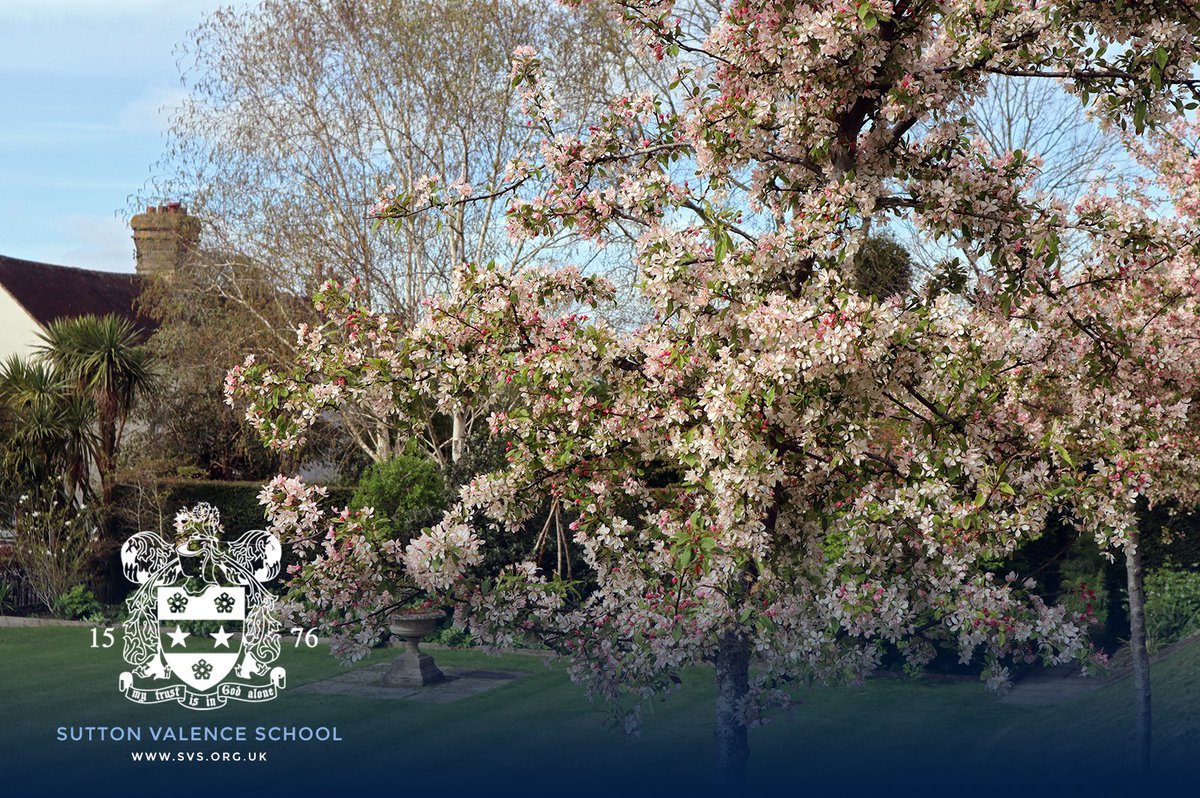
The grounds are springing back to life as we prepare to welcome students for the start of the Summer Term next week - even if blue skies are currently fleeting! 🌱🌷🪻 https://t.co/nPSU6LIJqC
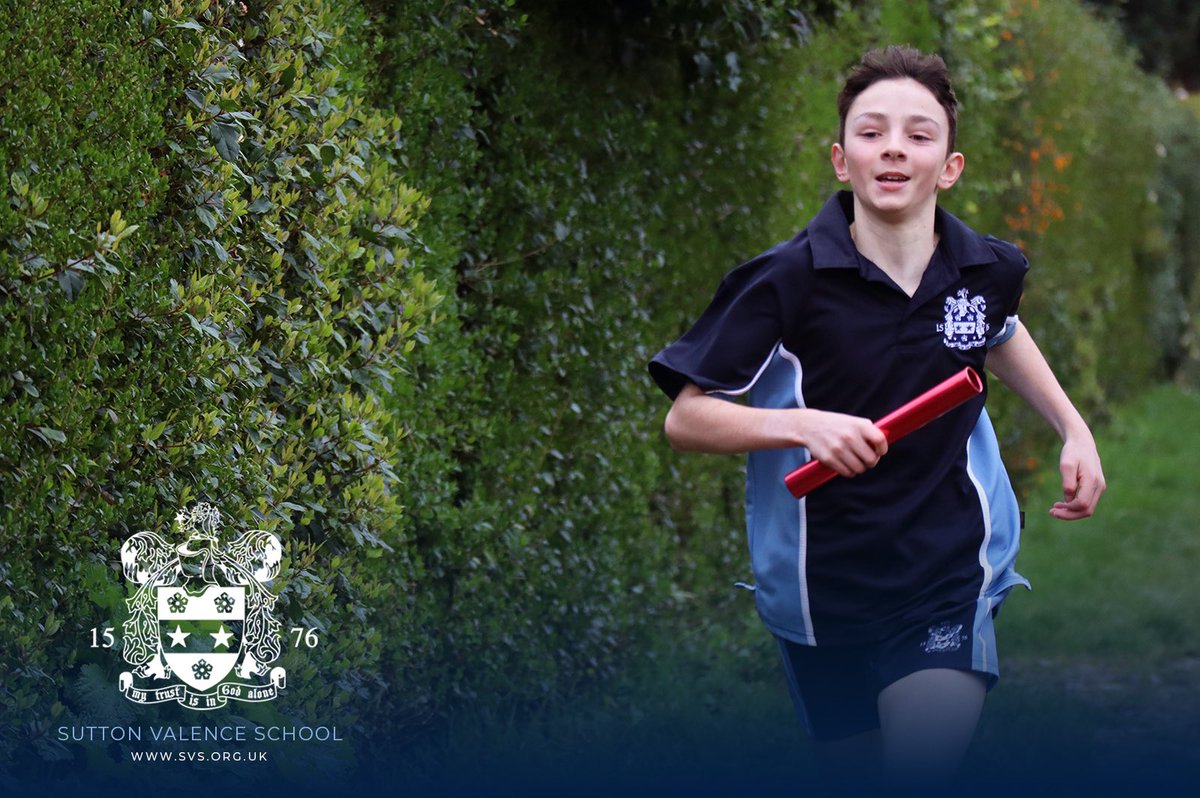
An annual end of term tradition, this year’s whole School Baton Race was won by Holdgate for Seniors, Founder’s for Inters and Lambe’s for the Juniors. In time honoured fashion, winning Houses were presented with their trophies by the youngest members of the SVS community. 🏃🏽♀️ https://t.co/5Ag0X9o3FF

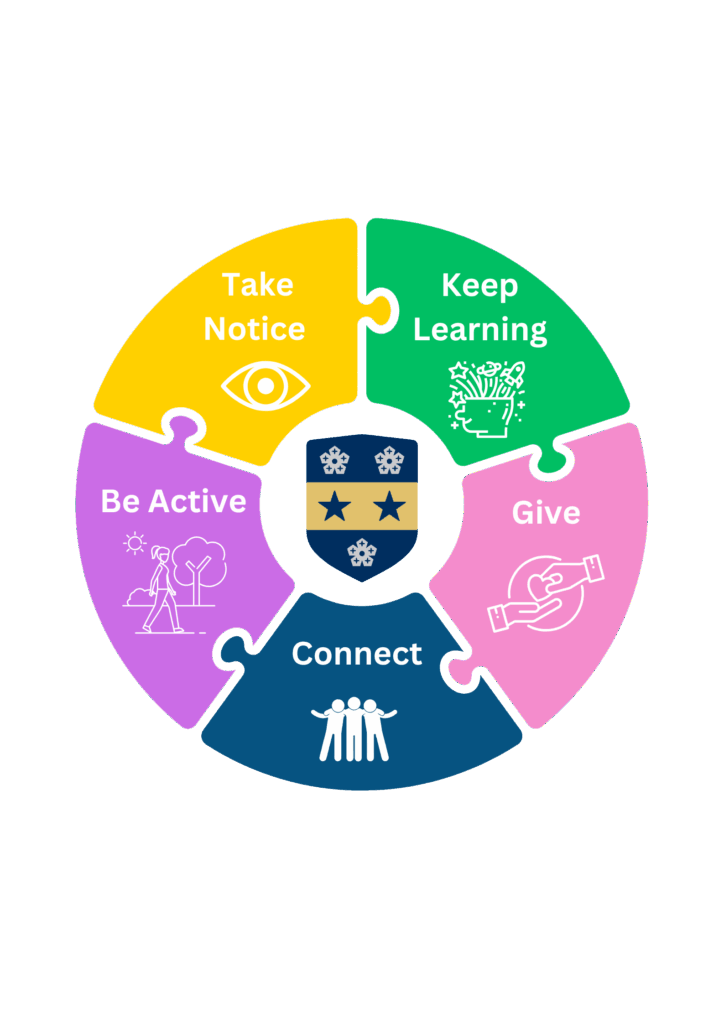
As we reach the end of Lent Term, I wanted to share the upcoming topics that we will be teaching your sons and daughters as part of our wellbeing curriculum when they return after the break.
First Form: Building relationships. Self-worth, romance and friendships (including online) and relationship boundaries. This will include;
• How to develop self-worth and self-efficacy
• About qualities and behaviours relating to different types of positive relationships
• How to recognise unhealthy relationships
• How to recognise and challenge media stereotypes
• How to evaluate expectations for romantic relationships
• About consent, and how to seek and assertively communicate consent
Second Form: Community and careers. Equality of opportunity in careers and life choices, and different types and patterns of work. This will include;
• How to challenge stereotypes and discrimination in relation to work and pay
• About employment, self-employment and voluntary work
• The use of AI in future employment and critical thinking skills
• How to set aspirational goals for future careers and challenge expectations that limit choices
Third Form: Intimate relationships. Relationships and sex education including consent, contraception, the risks of STIs, and attitudes to pornography, online misogyny and sextortion. This will include;
• About readiness for sexual activity, the choice to delay sex, or enjoy intimacy without sex
• About myths and misconceptions relating to consent
• About the continuous right to withdraw consent and capacity to consent
• About STIs, effective use of condoms and negotiating safer sex
• About the consequences of unprotected sex, including pregnancy
• How the portrayal of relationships in the media and pornography might affect expectations
• How to assess and manage risks of sending, sharing or passing on sexual images how to secure personal information online
Fourth Form: Addressing extremism and radicalisation. Communities, belonging and challenging extremism. Toxic digital subcultures and online misogyny. This will include;
• About communities, inclusion, respect and belonging
• About the Equality Act, diversity and values
• About how social media may distort, mis-represent or target information in order to influence beliefs and opinions
• How to manage conflicting views and misleading information. Critical thinking skills and the use of AI
• How to safely challenge discrimination, including online how to recognise and respond to extremism and radicalisation
Fifth Form: Communication in relationships. Personal values, assertive communication (including in relation to contraception and sexual health), relationship challenges and abuse. This will include;
• About core values and emotions
• About gender identity, gender expression and sexual orientation
• How to communicate assertively
• How to communicate wants and needs
• How to handle unwanted attention, including online
• About unhealthy, exploitative and abusive relationships
• How to challenge harassment and stalking including online how to access support in abusive relationships and how to overcome challenges in seeking support
Sixth Form: Mental health and emotional wellbeing. Managing stress, body image and heathy coping strategies. This will include;
• About the impact of pornography on mental health
• How to manage work-life balance, including study, leisure, exercise, sleep and time online
• Strategies to promote mental health and emotional wellbeing and address difficulties
• Stress management strategies
• About the signs of emotional or mental ill-health
• How, when and why to access appropriate support and treatment
• About the effects on body image and self-esteem, of idealised images of bodies and pressure to conform
• Strategies to manage influences on body image
• How to manage influences and risks relating to cosmetic and aesthetic body alterations
I also wanted to share the recent article Ms Austen (Assistant Head, Deputy Safeguarding Lead) has published recently in the Teen Tips Wellbeing hub. A growing online trend known as looksmaxxing is influencing how some teenage boys view their appearance. While it can include harmless habits like grooming or fitness, it often promotes unrealistic and sometimes harmful standards of male “perfection.”
This article explains where young people encounter this content, the language associated with it, and the potential risks, including body image concerns, low self-esteem, and exposure to unhealthy online communities. It also highlights signs to look out for and offers practical advice on how parents can start supportive, non-judgemental conversations at home.
Understanding looksmaxxing: What parents and carers need to know – The Wellbeing Hub