

Latest Tweets
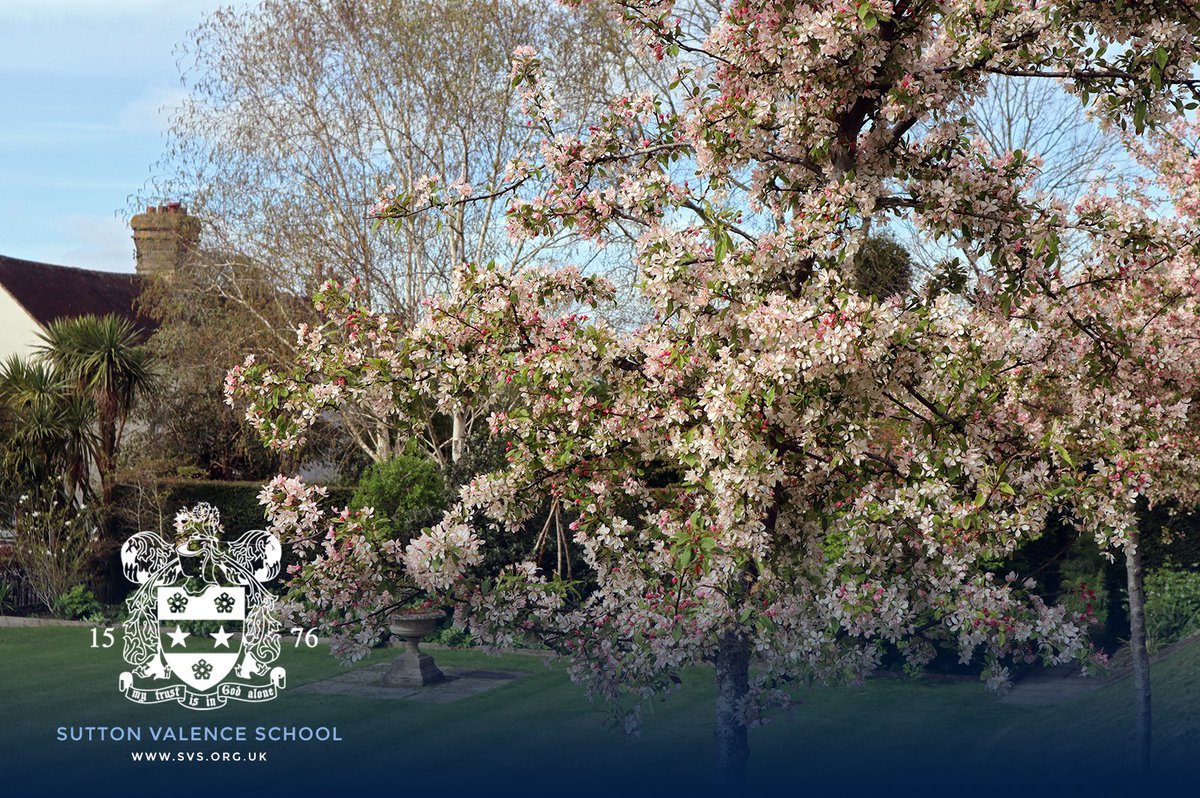
The grounds are springing back to life as we prepare to welcome students for the start of the Summer Term next week - even if blue skies are currently fleeting! 🌱🌷🪻 https://t.co/nPSU6LIJqC
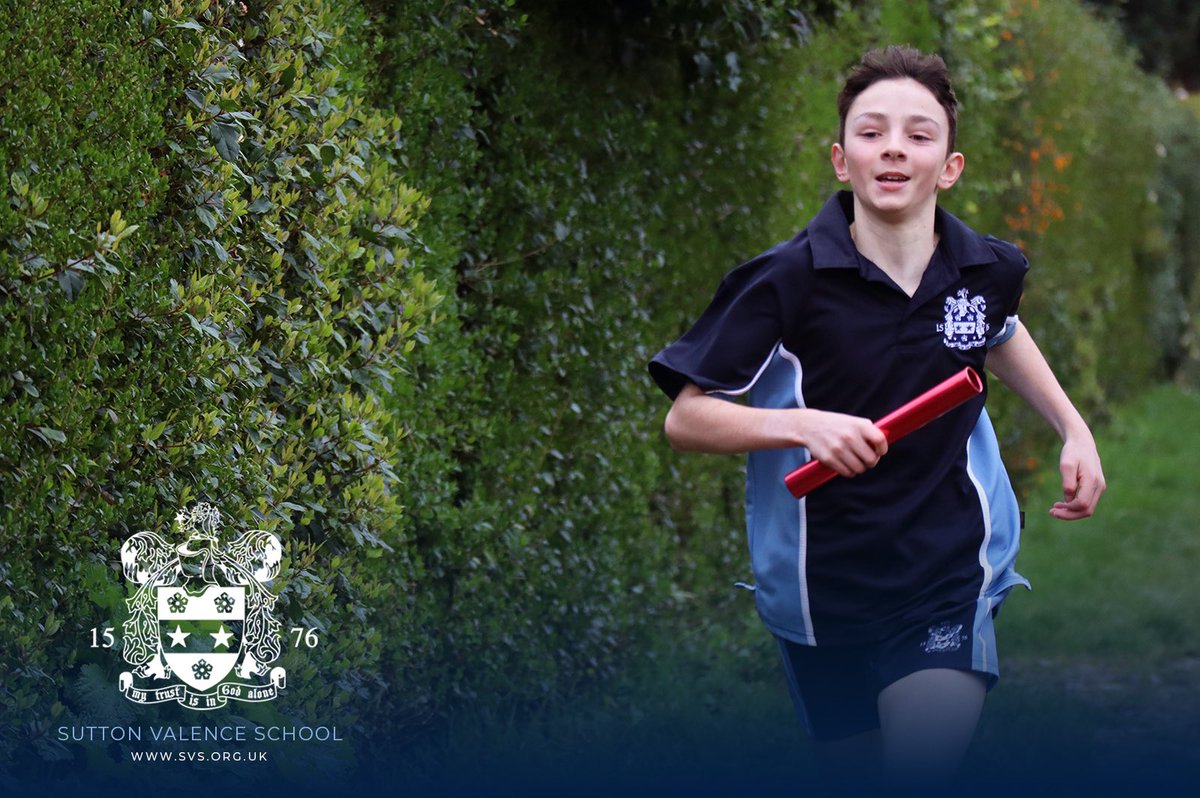
An annual end of term tradition, this year’s whole School Baton Race was won by Holdgate for Seniors, Founder’s for Inters and Lambe’s for the Juniors. In time honoured fashion, winning Houses were presented with their trophies by the youngest members of the SVS community. 🏃🏽♀️ https://t.co/5Ag0X9o3FF

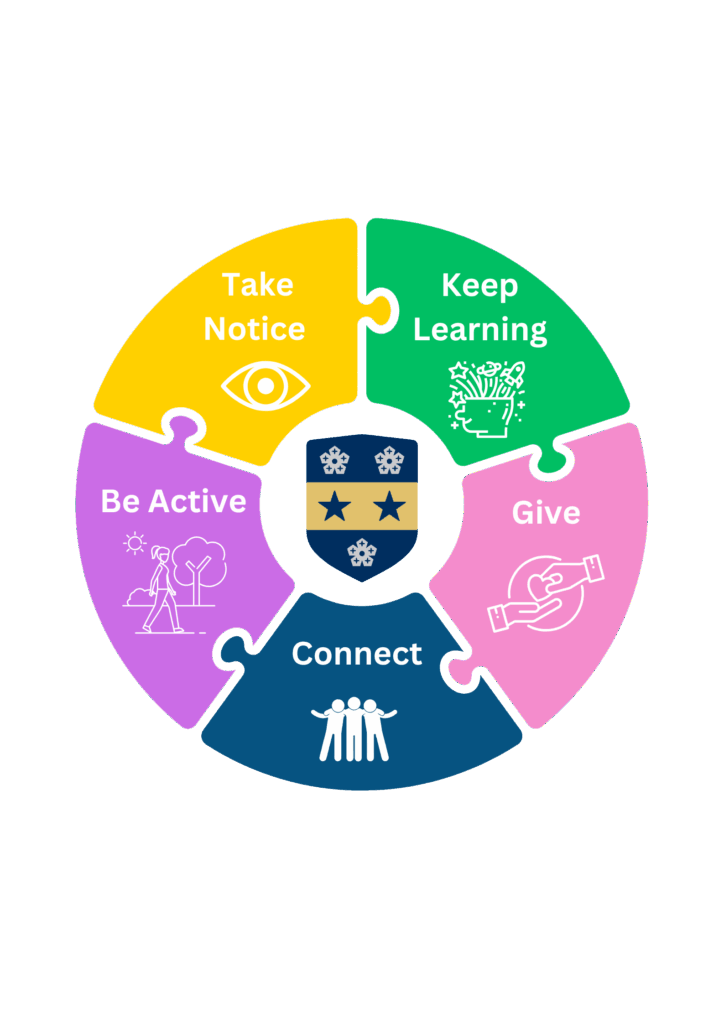
Below is information about the topics that we will be covering in Wellbeing lessons when the pupils return after the break.
First Form: Developing skills and aspirations
- How to be enterprising, including skills of problem-solving, communication, teamwork, leadership, risk-management and creativity.
- About a broad range of careers and the abilities and qualities required for different careers.
- About equality of opportunity.
- How to challenge stereotypes, broaden their horizons and how to identify future career aspirations.
- About the link between values and career choices.
Second Form: Healthy lifestyle
- About the relationship between physical and mental health.
- About balancing work, leisure, exercise and sleep.
- How to make informed healthy eating choices.
- How to manage influences on body image.
- To make independent health choices.
- To take increased responsibility for physical health, including testicular self-examination.
Third Form: Financial decision making
- How to make safe financial choices.
- About ethical and unethical business practices and consumerism.
- About saving, spending and budgeting.
- How to manage risk-taking behaviour.
- How to recognise financial exploitation – the problematic nature of pressuring someone to give money or gifts.
- Scams, fraud and impersonation, including exploiting someone’s financial literacy.
Fourth Form: Mental health
- How to manage challenges during adolescence.
- How to reframe negative thinking.
- Strategies to promote mental health and emotional wellbeing.
- About the signs of emotional or mental ill-health.
- How to access support and treatment.
- About the portrayal of mental health in the media.
- How to challenge stigma, stereotypes and misinformation.
Fifth Form: Next steps
- How to use feedback constructively when planning for the future.
- How to set and achieve SMART targets.
- Effective revision techniques and strategies.
- About options post-16 and career pathways.
- About application processes, including writing CVs, personal statements and interview technique.
- How to maximise employability, including managing online presence and taking opportunities to broaden experience.
- About rights, responsibilities and challenges in relation to working part time whilst studying.
- How to manage work/life balance.
Sixth Form
- How to assess their strengths, interests, values and skills in order to set realistic yet aspirational goals.
- How to evaluate post-18 options in education, training and employment, including higher education, further training, apprenticeships and gap year opportunities.
- How to evidence their strengths and skills and apply these effectively in applications and interviews.
- How to evaluate changing patterns and trends in the labour market at local, national and international levels, and identify potential opportunities.
- How to assess the financial advantages, disadvantages and risks associated with post-18 pathways.
- How to evaluate the potential benefits and risks of different credit and debt arrangements, including repayment implications such as student loans.
Wellbeing hub (parents have access to free of charge as part of the schools subscription)
★ Wednesday 18th February, 6:30pm (GMT) – Webinar: Practical strategies for supporting a child with anxiety and how to manage your own anxiety as a parent or carer with Prof. Sam Cartwright-Hatton, Professor of Clinical Psychology, specialising in anxiety in childhood