
Latest Tweets
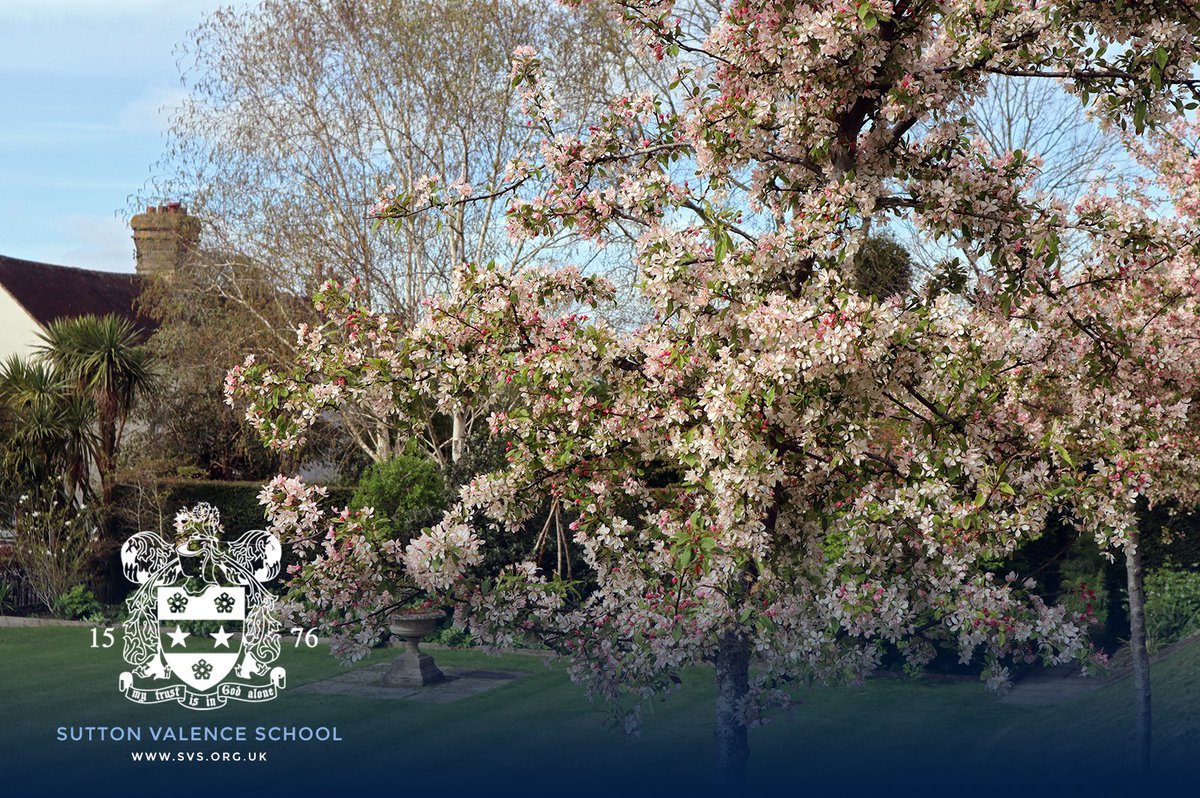
The grounds are springing back to life as we prepare to welcome students for the start of the Summer Term next week - even if blue skies are currently fleeting! 🌱🌷🪻 https://t.co/nPSU6LIJqC
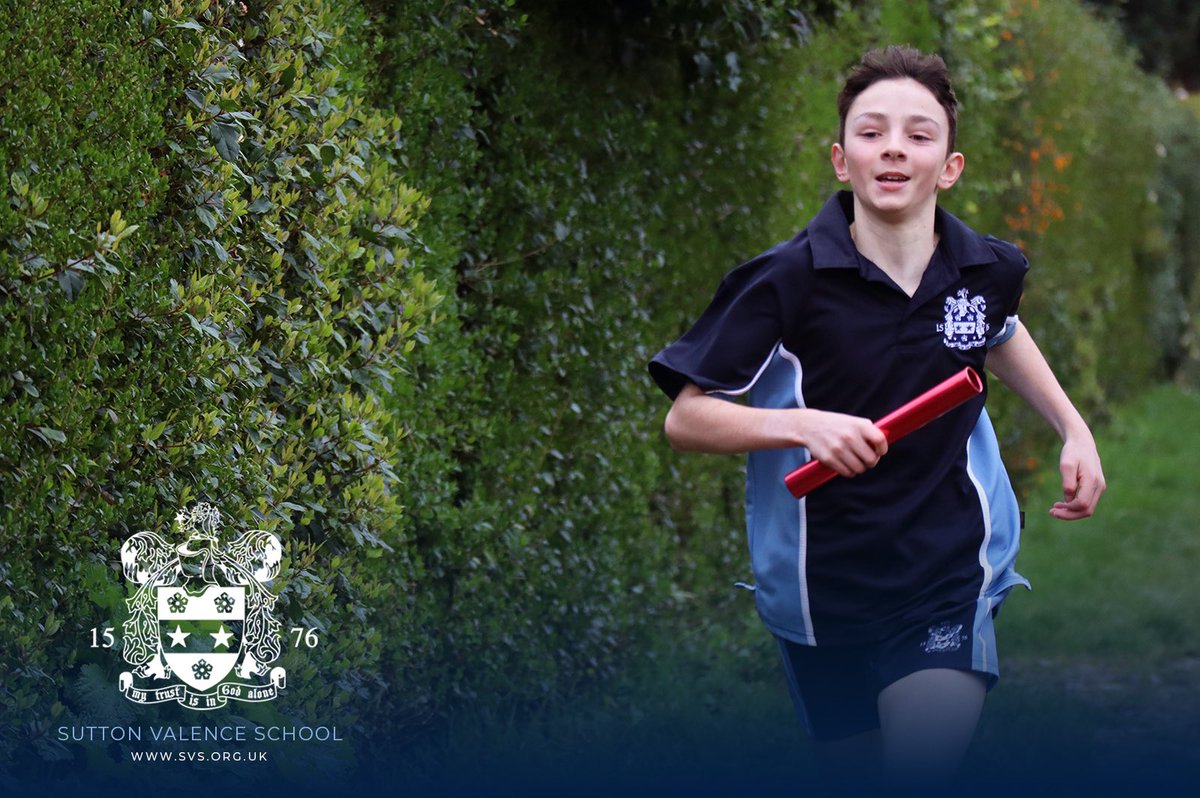
An annual end of term tradition, this year’s whole School Baton Race was won by Holdgate for Seniors, Founder’s for Inters and Lambe’s for the Juniors. In time honoured fashion, winning Houses were presented with their trophies by the youngest members of the SVS community. 🏃🏽♀️ https://t.co/5Ag0X9o3FF

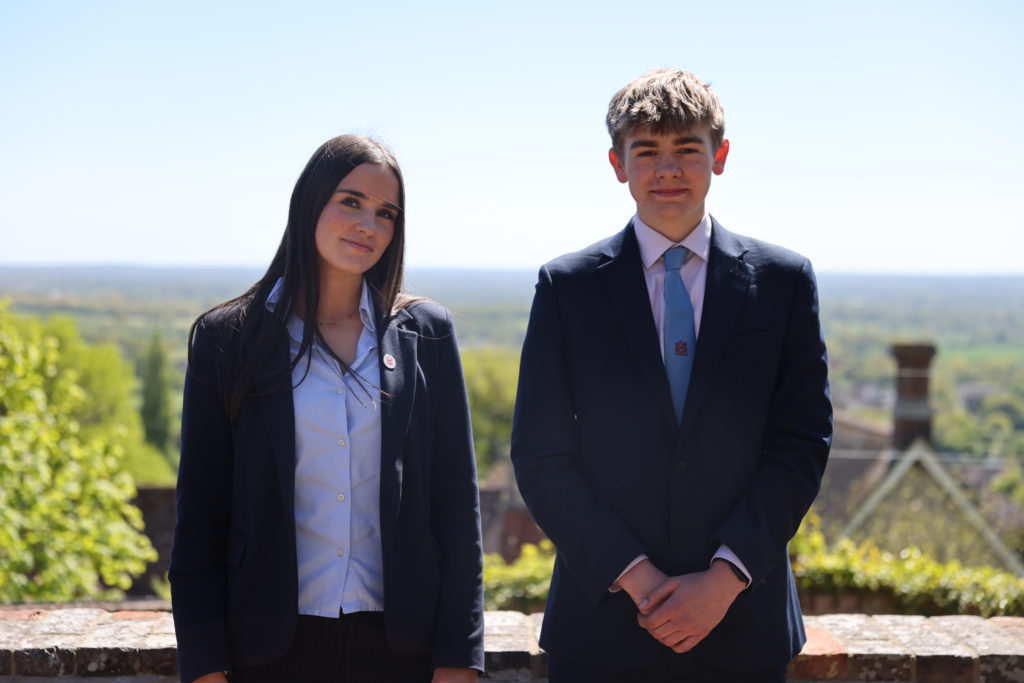
Over the past two weeks, Sydney W and Monty T have delivered their Heads of School Speeches in the Head’s Assembly. Both can be read in full here.
Sydney W:
Good afternoon School,
I hope you all had an enjoyable Easter holiday and a successful start to the Summer Term.
Firstly, I would like to say thank you to Mr Sansom, Mr Walker and the rest of the Senior Management Team for giving me this opportunity. It is a privilege to be standing here as Head of School. I would also like to congratulate Monty on becoming Head Boy, I can’t think of anyone better suited to the role. From being the Heads of the Juniors some years ago, to now working together as Heads of School, I think this shows how much we have both grown throughout our journey at SVS and I’m excited to work together to continue supporting a community where everyone feels valued and encouraged to thrive.
I’ve listened to over 30 of these speeches across my time at SVS, and I would be lying if I said I hadn’t spent at least half of them hoping that one day I would be stood up here too, as I am today. Despite this, I’ll admit, as many before me have, that when the time eventually came to write my own speech, I had little idea of what could be the best focus topic. However, thinking back on the speeches that resonated most with me, it was those who came from the people who were most honest and open, and so I’ve done my best to follow suit.
I joined Sutton Valence School in the Easter Term of First Form, after my parents decided that, despite never once looking around the School (due to COVID-19 restrictions), it was going to be a great fit for me. Whilst I’m not exactly sure where they got this absolute idea from, reflecting six years later, I couldn’t agree more.
It’s hard to define precisely what it is about Sutton Valence that means so much to me:
Undoubtedly, the way I have been encouraged and guided through developing my passions: academically, playing hockey, and even on the netball court, (with the hope that the talent would soon catch up)…has largely been a result of the incredible support network around me. Although they will never stop asking you to throw away your chewing gum and unfortunately, you cannot push that English coursework deadline a further three weeks, I can confidently say that the teachers here are all looking out for you, even when you don’t realise.
Next, whilst I don’t imagine I’ve ever been recognised as a particularly introverted character, the way my enthusiasm has always been encouraged and I’ve been uplifted to grow my confidence in new situations, ultimately guiding me into the person I am today, I am truly thankful for.
However, above this, SVS couldn’t have given me such an experience, without its community and everyone who brings it together. From the chaotic mix of words thrown at you from the sideline of the Astro, to simply celebrating friends through all their successes, it’s easy to appreciate the circle of people around me.
Although, there is one thing that I think is vital everyone hears. Community, does not mean that we should be compelled to set expectations of ourselves, based on what is familiar around us. By this, I don’t mean the expectation of having your prep in on time, or the standard expectation of treating others with respect, I’m referring to expectations of what it is that we are set to achieve. Our forecast.
From as young as I can remember, there are always people around you who decide what they think you are set to achieve. A simple example is predicted grades. These are set for you years before you take any exams. Personally, I’ve always had difficulty processing information and my long- and short-term working memory are deficient, ultimately making it harder to learn new things. This considered, my natural ability was estimated, and from this, people set expectations of me. A standard that I was expected to settle at, was outlined.
This is the case for all of us. Anything you achieve past that, exceeding these expectations, seems to be a surprise, and often, is claimed to be credit to things working out for you. I realise that there are many others in a similar position to me and so I will take this opportunity to urge you all to recognise how tentative these forecasts are. They aren’t set in stone. Through my own experiences, I have grown to recognise this. Those who chose to ignore their forecast, and: commit, persevere and dedicate effort into achieving their goals, will achieve success, no matter their starting point.
There is something that is designed in all of us: comfort of familiarity, and fear of failing, fear of the unfamiliar.
Personally, one of the traits I respect most in people, is ambition. Ambition to pursue something you love, and the dedication to work through hard things, even without the guarantee of success. There are many enemies of ambition: ego, fear, comfort, seemingly easier alternatives. There will always be an excuse, not to work harder, a reason to stick with what is familiar.
People around you will often contribute to this apprehension; they’re not trying to sway you away from fulfilling your potential, but they often question why you would be seeking more, particularly when there isn’t any clear need for anything to change. If your anything like me, this simple doubt from others can quickly bleed into your own mind and cause you to doubt yourself too.
I’ve experienced this internal battle with myself many times over my life, particularly in more recent years. Whether it be nearly avoiding subjects simply due to the fear of not being able to perform, moving from the comfort of a hockey club I’d spent the last 12 years at, or making big decisions to chase all of my goals for the future in between; I’ve been pushed to realise that success, big or small, doesn’t stem from comfort, but pushing beyond it.
There is of course the possibility that you may end up back where you started, but majority of the time, when you set your mind to something and you give it your best efforts, you will be successful, even if it sometimes takes longer than you expected.
Finally, I want to recognise that it is not always fear of failure. Sometimes, I think it is fear of success that too is capable of holding us back. Fear of exceeding people’s expectations, fear of being more impactful than you thought, and maybe even fear of making others feel inadequate. It sounds silly on paper, but owning up to your goals can be scary. We are so conscious of how others perceive us and their idea of what we capable of achieving, that we are sometimes reluctant to admit our own ambitions.
The reality is much simpler than this. As we step into our own light and follow our inspiration, we subconsciously encourage those around us to do the same. Success convinces others to work, to follow suit. I’m sure you have all been inspired by someone’s success before – whether while watching the Olympics, observing the mindset of someone close to you, or seeing strangers online bring their passions to life. Whilst it can be easy to dismiss inspiration, reasoning that it is too far from your forecast, and claim that: “only good luck is capable of placing me in that position I want to be in”… This is not the case.
If your mind is powerful enough to dream something, you are strong enough to achieve it. Take risks: the first step to success is to make mistakes and aspiration will guide you the rest of the way. Never let short-term awkwardness overrule passion and ambition. Take ownership of your vision. Follow it. No one is teasing success.
As is tradition, I will end with a quote:
“Success is not final, failure is not fatal: it is the courage to continue that counts”
Winston Churchill
Thank you for listening!
Monty T:
Good afternoon, School,
I hope you’ve all had a good week and are looking forward to the exeat weekend ahead.
First of all, I would like to thank Mr Sansom and the rest of the senior management team for selecting me as Head of School for this Summer Term. It is an honour that I have looked towards since I first arrived here in First Form and it is a responsibility that I am honoured to have.
I would also like to take this opportunity to congratulate Sydney on her appointment as Head of School. It is thoroughly deserved, and I couldn’t think of anyone better suited to the role. Building on what she said last week, and thinking back to our time representing the Juniors, this partnership is not a new one. I am really looking forward to working alongside her, and with the senior management team, over the course of this term.
Like many before me, this Easter holiday was spent thinking about what I should talk about today. Admittedly, I didn’t have as much time as I might have liked, but in many ways, I think that sums up my journey at Sutton Valence quite well.
When I first walked into this school, it felt completely surreal. Coming from a primary school where the sports centre, chapel, refectory and theatre were essentially all one small hall, what was on offer here felt enormous. It was exciting, but also slightly overwhelming.
I remember thinking, quite early on: what would you actually have to do to become Head of School one day? Surely those people had made minimal mistakes. Surely, they had perfect grades, perfect confidence and everything worked out well.
But what I’ve come to realise is that leadership doesn’t come from perfection and it certainly doesn’t come from one defining moment.
What changed for me wasn’t a single experience. It was the journey itself, and the moments along the way that challenged what I thought leadership really was.
A good example of this came during my first CCF field day in Third Form. We were being led by a Sixth Form NCO during a night navigation exercise, and, for a short time, we got lost.
Now, that could have gone very differently, but instead of panicking, or trying to cover up the mistake, he turned to us, involved the group, and together we worked out how to get back to camp
It was a small moment and I’m sure many just see it as a funny moment or part of the experience.
But, through experiences like that, I began to understand something about leadership that I didn’t know when I first arrived here.
Leadership isn’t about being perfect. It isn’t about having all the answers. And it certainly isn’t just about holding a position.
It’s about being a good follower first and about holding yourself to the same standard you expect of others.
Now, by no means am I suggesting that standing here makes any of us perfect leaders. That wouldn’t be true. Leadership is something you are constantly learning and refining through following.
A brilliant way of putting this was shared by the Bishop of Dover at the School’s confirmation service last Sunday. The Right Reverend Rose Hudson-Wilkin spoke about how even the most senior figures in the Church, bishops and archbishops, are still learning. That being a disciple, or simply a follower, is something that never really stops.
And I think that applies far beyond the Church.
One of the biggest misunderstandings we have about leadership, whether in school, in the media, or on the world stage, is the idea that leaders exist above everyone else.
In reality, the most effective leaders are those who are willing to bring themselves down to the same level as the people they work with, more importantly, the people they serve.
We see this in school all the time, often without realising it.
In the CCF, leadership isn’t just about giving orders. It’s about setting the standard yourself, especially when things are difficult, and holding yourself accountable when things don’t go to plan.
Over Easter, during my Master Cadet course, I had the opportunity to experience this first-hand. One of the cadets leading a set of orders had already been awarded an Army scholarship the year before and during his orders, he spoke with clarity and enthusiasm. Safe to say he brought the plan to life and gave the rest of us confidence in what we were doing.
But what stood out most wasn’t that everything went perfectly. At one point, he forgot part of his plan. Instead of ignoring it or trying to push through, he acknowledged it immediately. The team adapted and we carried on effectively.
That moment said more about his leadership than anything else.
Because leadership isn’t about avoiding mistakes, it’s about how you respond to them.
We see similar things in other areas of school life as well.
In the DofE, it’s not always about who is best at reading the map. Often, it’s about who keeps going when they’re tired, who encourages others when morale is low, and who refuses to give up when things get difficult.
In sport, whether it’s cricket, rugby or hockey you quickly realise that talent on its own is not enough. The strongest teams are not built on individuals, but on trust and communication. You cannot have a successful team full of individuals.
From what I have seen, many people, especially younger pupils, don’t see themselves as leaders. I certainly didn’t see myself that way when I was in the Juniors.
In fact, studies suggest that just fewer than half of young people (around 47%) feel confident taking on leadership roles.
But I don’t think that’s because they lack the ability. I think it’s because we’ve misunderstood what leadership actually is.
It’s been turned it into something that is given – a title, a badge, or a position.
But it happens in small moments.
It’s choosing to help someone when it would be easier not to. It’s stepping up when no one asks you to. It’s doing the right thing, even when no one would notice if you didn’t.
You don’t need to be called a leader to lead. You don’t need a title to take responsibility.
You just need to be willing to serve others and to be a good follower first.
A powerful example of this can be seen in Nelson Mandela, who is widely regarded as one of the greatest leaders in modern history. But what made him so respected was not just the position he held, it was the years he spent listening, learning from others, and putting people before himself.
After everything he experienced, he chose reconciliation over revenge. And that is perhaps one of the strongest examples of leadership through service.
Success doesn’t come from a small group of leaders at the top, it comes from everyone.
From the choices we make every day. From the standards we set for ourselves. And from the way we treat the people around us.
Being Head of School is a privilege. But more importantly, it is a responsibility.
As per tradition, I would like to end with a quote, one from Aristotle:
“He who has never learned to obey cannot be a good commander.”
Thank you for listening and I hope you all have a restful exeat weekend