

Latest Tweets


The grounds are springing back to life as we prepare to welcome students for the start of the Summer Term next week - even if blue skies are currently fleeting! 🌱🌷🪻 https://t.co/nPSU6LIJqC
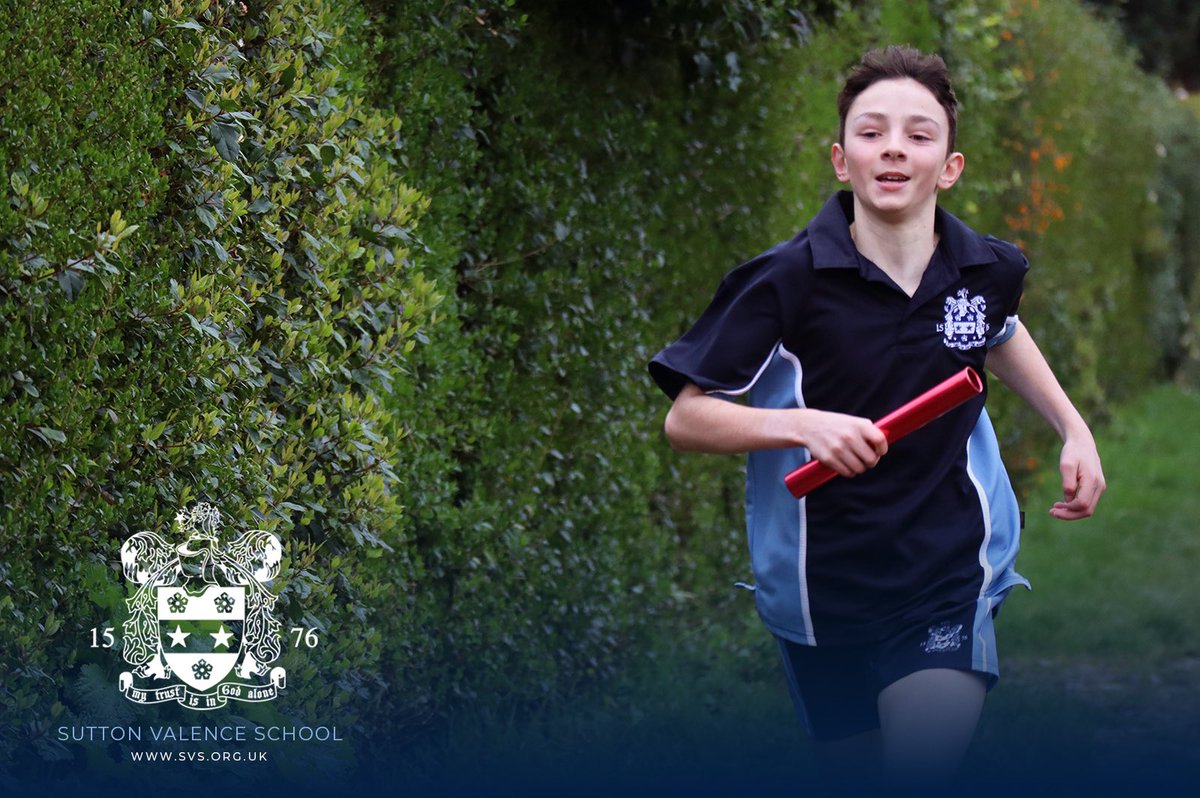
An annual end of term tradition, this year’s whole School Baton Race was won by Holdgate for Seniors, Founder’s for Inters and Lambe’s for the Juniors. In time honoured fashion, winning Houses were presented with their trophies by the youngest members of the SVS community. 🏃🏽♀️ https://t.co/5Ag0X9o3FF

Recent news of a meningitis outbreak in Kent has understandably caused concern among many families. This week we have had some pupils talk to us about their worries. Health anxiety often increases when children are exposed to alarming news stories, particularly when the illness affects people their own age. The current outbreak has mainly involved teenagers and young adults in close-contact settings, which can make it feel more personally relevant.
While this is a rare and localised situation, it is natural that media coverage and peer conversations may heighten anxiety among young people. We have explained that while meningitis can be serious, it is also important to remember that cases remain uncommon and public health teams are responding swiftly with antibiotics, vaccinations, and guidance.
With this in mind, we wanted to share some guidance to help you support your child in managing any worries they may have.
Stay calm and balanced in your messaging
Children often take emotional cues from adults. Aim to acknowledge the seriousness of the situation while also reinforcing perspective:
- This is rare
- It is being carefully managed by health authorities
- There are clear actions to take if someone feels unwell
Stick to trusted information sources
Social media and mainstream news ‘live feeds’ can amplify fear and, in some cases spread misinformation. You may want to:
- Check updates from the NHS or UK Health Security Agency together
- Gently challenge exaggerated or inaccurate claims your child may encounter
Focus on what is within their control
Providing practical steps can reduce feelings of helplessness:
- Maintain good hygiene (handwashing, not sharing drinks/vapes and avoiding close personal contact.
- Be aware of symptoms
- Seek medical advice promptly if concerned
This shifts the focus from fear to action.
Talk openly – but don’t overexpose
Create space for your child to ask questions:
- “What have you heard?”
- “How is it making you feel?”
Answer honestly but avoid overwhelming them with excessive detail.
Maintain normal routines
Routine is grounding and reassuring. Encourage:
- School attendance (unless advised otherwise)
- Social interaction
- Sleep, exercise, and regular meals
Avoid unnecessary avoidance behaviours, which can reinforce fear.
It is completely understandable that this situation may feel worrying for both young people and adults. By staying informed, calm and open in your communication, you can help your child feel safe and supported.
If you notice that your child’s anxiety is persistent, overwhelming, or affecting daily life, please do reach out to the School wellbeing team for additional support.