

Latest Tweets
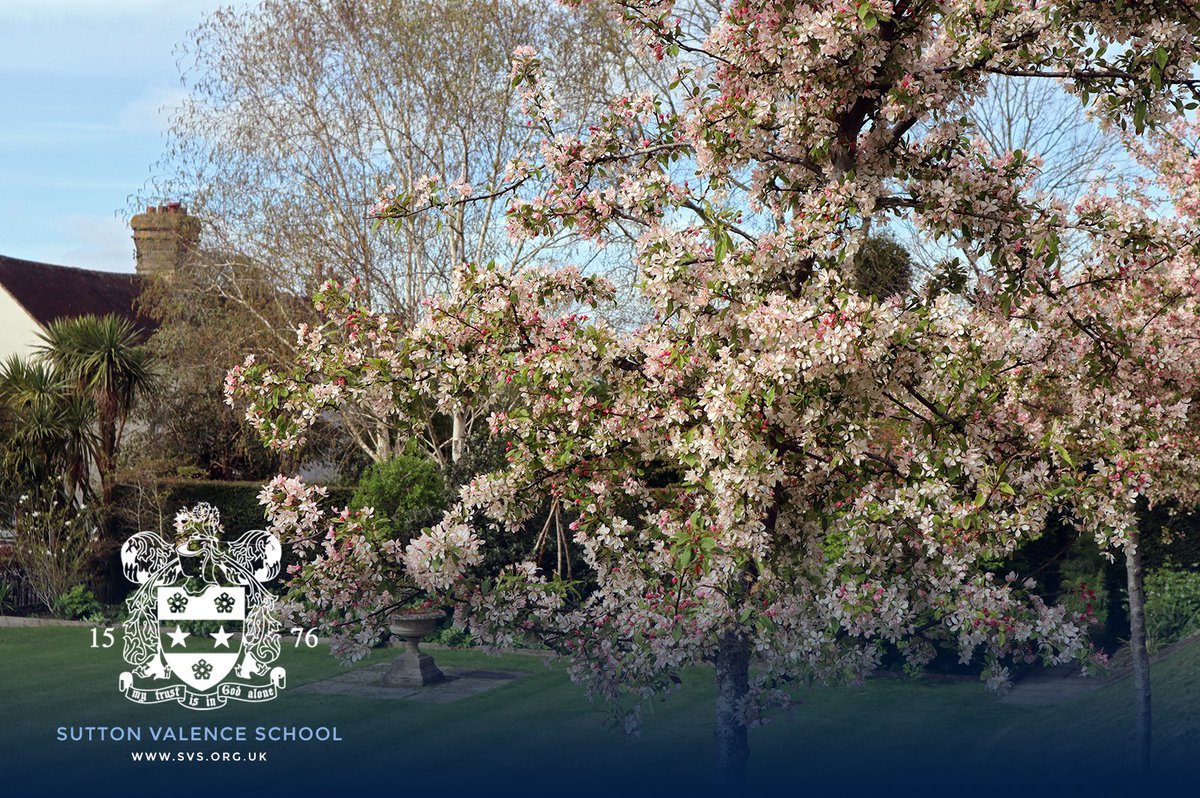
The grounds are springing back to life as we prepare to welcome students for the start of the Summer Term next week - even if blue skies are currently fleeting! 🌱🌷🪻 https://t.co/nPSU6LIJqC
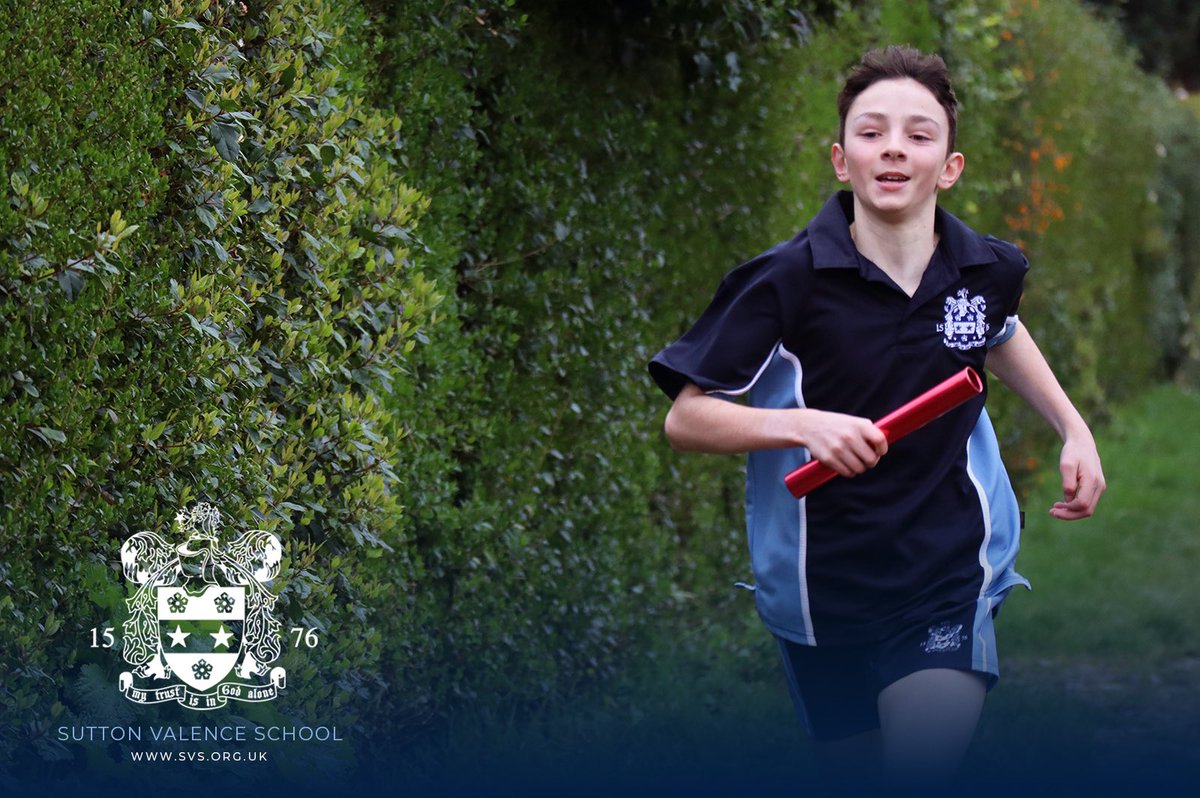
An annual end of term tradition, this year’s whole School Baton Race was won by Holdgate for Seniors, Founder’s for Inters and Lambe’s for the Juniors. In time honoured fashion, winning Houses were presented with their trophies by the youngest members of the SVS community. 🏃🏽♀️ https://t.co/5Ag0X9o3FF

This week in our Second and Third Form wellbeing lessons, pupils have been exploring how to navigate challenging conversations. We have looked at the differences between passive, passive-aggressive and aggressive communication styles, and used relatable scenarios to apply this learning. A key focus has been on developing assertive communication skills, helping pupils to express themselves respectfully and confidently, with the aim of building healthier and more positive relationships.
On Monday, our upcoming breakout session with First Form pupils will focus on discriminatory language. We will be discussing the meaning behind certain words, why they can be experienced as offensive and the impact language can have on others. Through practical scenarios, pupils will be supported to understand why certain comments can be upsetting and why respect and kindness in our language are so important within our community. As always, we really appreciate parents and guardians reinforcing these messages at home.
I am also aware that many parents and guardians can find it difficult to know what to say or how best to support children and family members when someone has a long-term illness or is approaching the end of life. I wanted to highlight the excellent resources available on the Cruse Bereavement Support website, including their guide Supporting children and young people after someone dies – Cruse Bereavement Support, which many families may find helpful.
Upcoming on the Wellbeing Hub (free of charge for parents to access as part of our school subscription).
Growing up comes with many pressures, fitting in, friendships, academic expectations, social media and concerns about appearance or how one comes across. These pressures can make social anxiety more common during the teenage years. The Wellbeing hub as a short video outlining seven practical tips for overcoming social anxiety.
Seven tips for overcoming social anxiety – The Wellbeing Hub